
MONDAY.
MAKE THE
CALL.
Know the numbers. Make the call. Leave with a next move.
THE NEXT PLAYMore game.
Less grind.
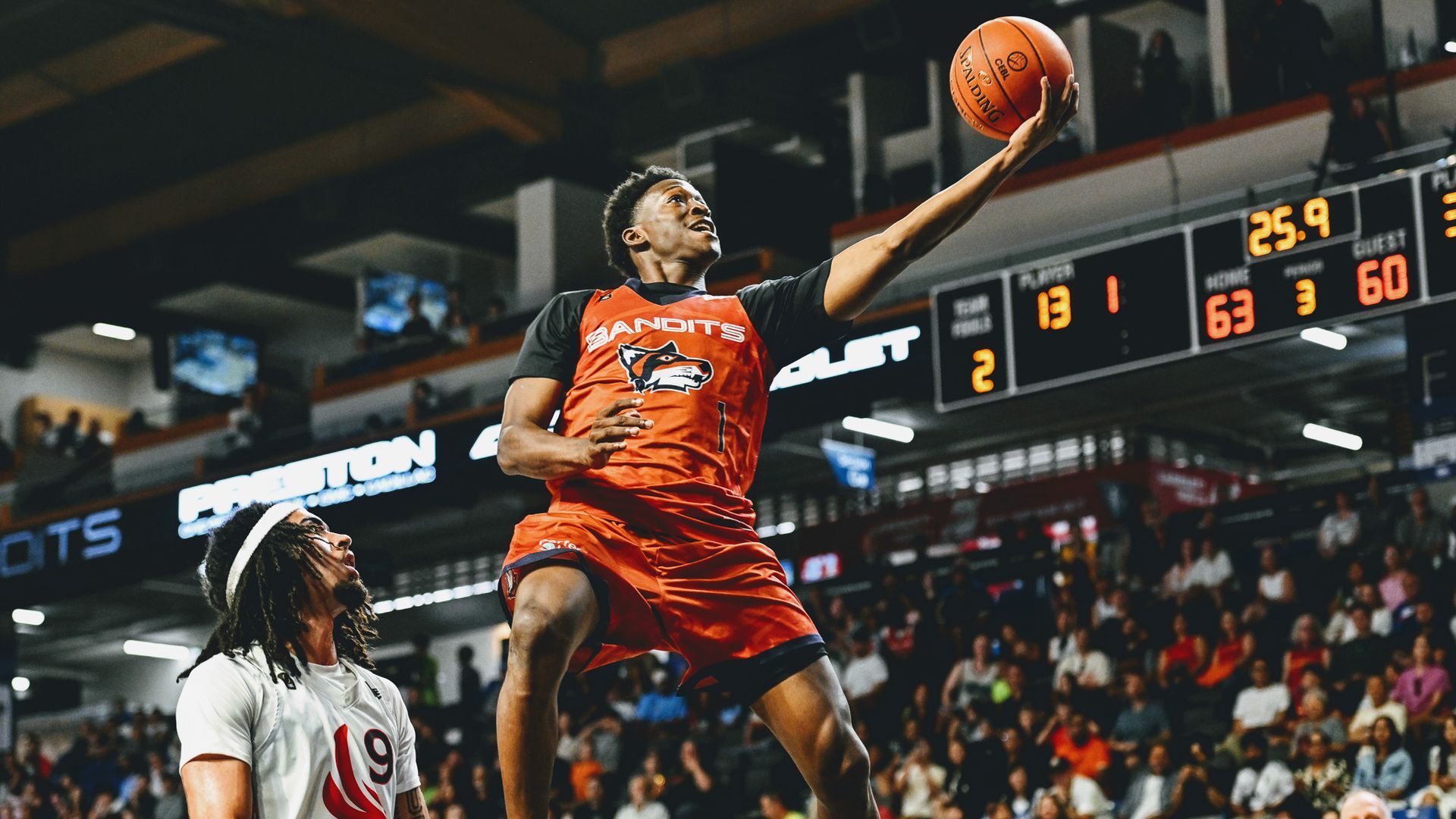
Game night gets the noise. Your staff does the work that makes it happen: tickets, sponsors, graphics, travel and a hundred details fans never see.
I’d put AI to work on that grind. Give your staff sharp tools, reliable numbers and the training to run them. They keep calling the shots.
First we get one thing working. Then we earn the right to build the next.
Kris Krüg ↗Your colours. Your mark. Your standards. Give Claude Design that foundation, then use it to develop layouts, decks and prototypes. Your staff decides what makes the cut.
Approved logos. Licensed fonts. Colour values. Image rights. Sponsor rules. Asset sizes. Examples of what good looks like.
Change the score. Keep the look. Build one strong template, then make it work all season.
Template demo only. A live version would use an approved stats feed, flag gaps and put every graphic in the review queue.
EXHIBITION / DEMOApproved scores, player stats, or ticket data. Confirm access, freshness, and who owns it.
Use Claude for concepts and copy. Let a fixed layout place the correct numbers, marks, and sponsor assets.
Flag missing data. Check the output. Queue it for approval, then distribute through the agreed channels.
A shared brand folder and Claude Design system; reference imagery with usage rights; social, scoreboard, and presentation formats; example prompts; export checks; and a hands-on session using a real Bandits brief. Brand changes have one owner. Templates stay versioned. First prove one graphic workflow before connecting the rest of the game-day workflow.
Claude Design capabilities ↗See what’s selling, what’s sitting and who’s turning up. Put the numbers in one place so ticketing can see where to push before game day. Try the sample below.
In this sample, 810 tickets were sold in the final seven days. That’s the kind of buying pattern we’d examine before choosing when to promote a game.
Same product and ticket-type filters. All six fictional games in the 2026 sample season. 112 purchase records contribute to the selected game.
| Game | Tickets | Revenue CAD | Scan rate | Transfer rate |
|---|---|---|---|---|
| Home opener | 2,274 | $132,682 | 75.7% | 4.2% |
| Friday night | 2,357 | $137,396 | 78.3% | 4.3% |
| Community night | 2,466 | $144,248 | 80.3% | 4.3% |
| Summer hoops | 2,549 | $149,354 | 83.3% | 4.4% |
| Rivalry night | 2,603 | $156,436 | 86.7% | 4.6% |
| Season finale | 2,659 | $159,370 | 89.2% | 4.7% |
What counts: sales are net of refunded bundles, excluding taxes and fees. Package revenue is divided equally across entitlements. $3,500 remains attached to unallocated entitlements. This is a demo allocation, not an accounting policy.
Usage ≠ attendance: a Flex entitlement is redeemed when assigned to a game; a scan records attendance. Scan and transfer rates count unique tickets divided by assigned tickets. Season rates use all assigned tickets. Product sizes, ticket types, dates, and goals here are invented.
The comparison: both sample seasons use matching month/day game dates. Calendar view shows those dates; days-before-tipoff aligns purchase timing. Curves use final net sales by original purchase date, not a historical refund ledger or forecast.
One trusted weekly ticketing view, then a Monday deck that uses those same numbers. First we inspect two completed seasons of exports, agree product definitions and game targets, and confirm what Showpass makes available to your account. Its public organizer API docs don’t establish every historical sales, transfer, or redemption field you’re asking for. See the documented capabilities ↗
Walk in knowing what moved, what’s stuck and what needs a decision. Keep the data current and the decks ready to reuse. Same source. Different audiences.
Know the numbers. Make the call. Leave with a next move.
Scan rate 75.7%. Transfer rate 4.2%. Numbers match the explorer above.
Interactive deck preview. A live workflow would pull approved figures into branded templates for staff review and PowerPoint or PDF export. This demo has no live Claude or Drive connection.
Sales against targets, upcoming games, decisions, owners, and follow-ups. A maintained report feeds a repeatable meeting.
Research their business. Show a relevant opportunity. Use approved audience evidence, inventory, and rights. Check every commercial claim.
Start with a well-owned sheet or export. Add automated refresh after definitions and access are settled. Someone still owns accuracy.
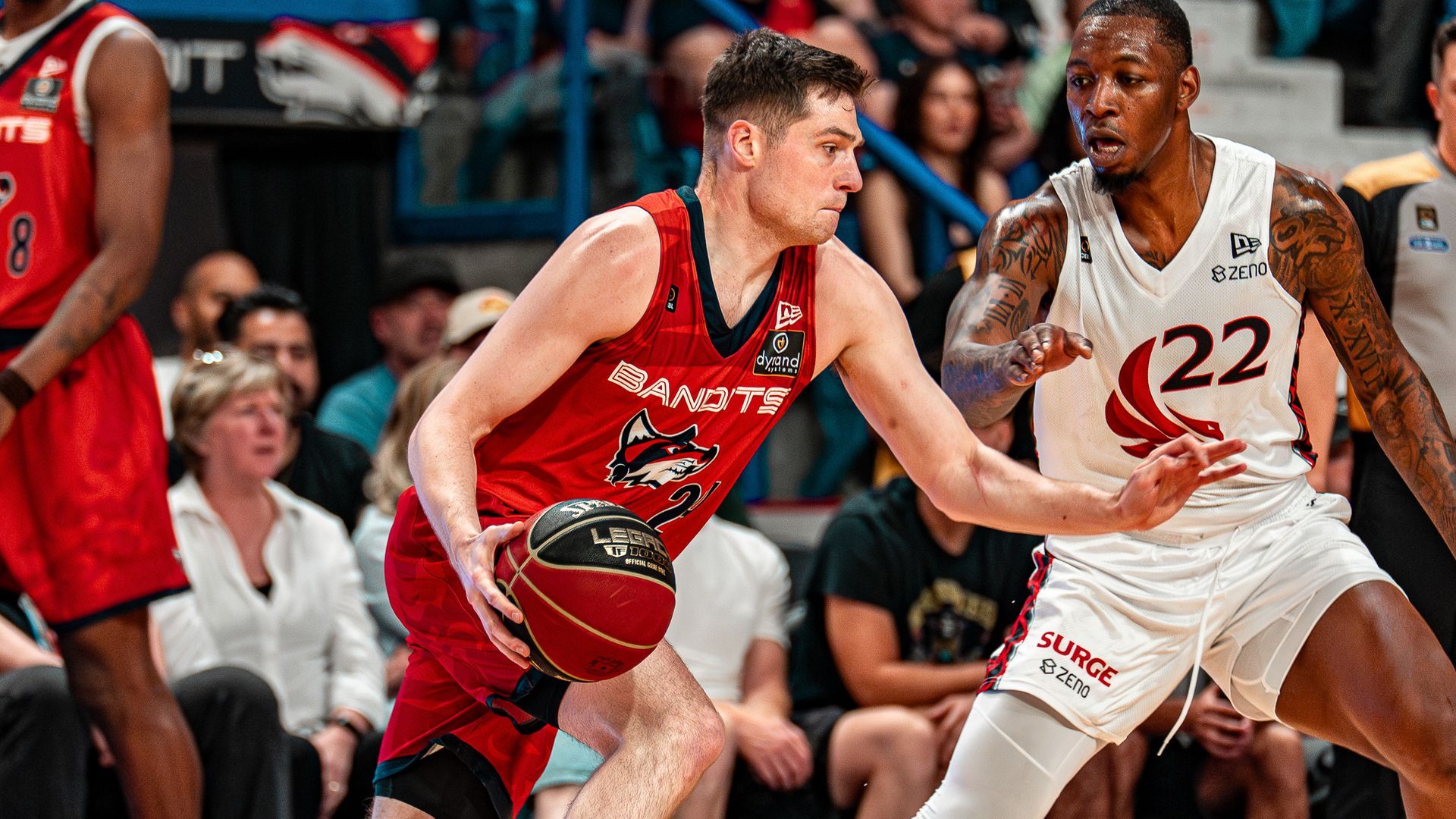
For the fans.
For the game.
You’ve got a business to run and a season to deliver. Here’s where I’d put AI to work, what it takes and where your people stay in charge.
Yes. Make it easier to go from ‘I’m in’ to a ticket on your phone. Find a game. Understand the package. Get through checkout. We fix the problems fans actually hit.
Make every offer easy to choose: who it’s for, what’s included and how to buy. Check Showpass’s existing checkout widgets before building from scratch.
Use short forms, clear consent, and useful follow-up. Decide which audience fields matter before collecting them. Contest eligibility and rules still need a human owner.
Make the shop handoff clear. For camps, put age groups, dates, location, price, and registration together. Keep information about children out of general AI workspaces.
Confirm your website platform and access. Measure the existing funnel, make one focused change in a preview, test mobile and accessibility, then compare results. Claude Code helps build and test; your team approves what goes live.
First move: walk through three real customer journeys together and pick one measurable improvement.
Source & current capabilities ↗Only if it helps you make a call you can’t make today. Payroll, travel and venue bills run on cash timing. Another chart earns its place by making that timing clear.
Review QuickBooks’s existing cash-flow reports with whoever owns your books. Check bank reconciliation, unpaid invoices, bills, and how Showpass settlements are recorded.
A useful next step could be a rolling 13-week cash view: opening cash, expected ticket settlements and sponsor payments, payroll, travel, venue costs, and closing cash. Timing and assumptions should be editable and visible.
Ticket sales, cash received, and profit describe different things. Reconcile Showpass payouts, fees, refunds, and taxes to QuickBooks before combining them. A forecast is an estimate, with a finance owner and a review date.
First move: identify one cash-timing decision the current reports don’t answer.
Source & current capabilities ↗Yes. Give ops a sharper shortlist and the evidence behind it. A hot box score gets a player on the radar. It doesn’t tell us whether they’re free to sign.
Choose the leagues, positions, date window, and stats that matter. Normalize player identities, minutes, competition level, and box scores. Document gaps instead of pretending we can see every league.
Record the source, date checked, known contract dates, and what still needs confirmation. RealGM’s terms restrict commercial use without written permission. Start with permitted league sources or a licensed provider, then confirm availability with the appropriate people.
Use season-specific roster and import rules, schedule overlap, and internal budget constraints. Basketball ops confirms eligibility, contracts, salary-cap treatment, and fit. Keep salary and negotiation information in a restricted workspace.
A shortlist with comparable performance, source links, last-checked dates, reasons to investigate, and open questions. The final roster decision stays with your basketball staff.
First move: test a small, agreed player pool with ops before investing in broad coverage.
Source & current capabilities ↗Current CEBL roster guidance ↗Give it a job your staff can name. Prep the sponsor meeting. Pull the weekly update. Draft the routine ticket reply. Clear inputs and a person responsible for the result.
Keep approved brand files, offer descriptions, sponsor facts, and meeting templates in shared Drive folders. Connect each person’s own account. Organize Claude projects around work, with access appropriate to the material.
Pilot one category, such as routine ticket enquiries. Supply current package information, tone examples, escalation rules, and a small set of approved replies. Create drafts for a person to review. Skip commitments, complaints, negotiations, and sensitive cases.
Meeting briefs, weekly updates, sponsor research with sources, and follow-up lists are good candidates. Scheduled work needs a named owner, tested access, a review destination, and a clear failure signal. A connector alone doesn’t create that routine.
Try it on the repetitive work your staff can name today. Compare preparation time and correction effort before and after. Keep what makes the job better; retire the rest.
First move: choose one recurring task per person and review the results together.
Source & current capabilities ↗Buy seats for the people using AI. Give them shared standards and the access their job needs. Four departments isn’t a staff count. Map the people before buying the subscriptions.
Sales, sponsor research, meeting preparation, team standards
Own the organisation and shared reference material
Standard to start; upgrade if usage warrants it
Ticket questions, weekly sales review, customer follow-up drafts
Ticketing reports and approved customer information
Named users; dashboard-only viewers may need no Claude seat
Claude Design, campaign concepts, sponsor decks, content drafts
Brand assets, marketing data, approved sponsor material
Standard to start; review design usage before upgrading
Player research, travel options, operational briefs
Restricted player, contract, travel, and salary material
Standard named seats with scoped access
My call: start actual AI users on Claude Team Standard, then review usage and work quality. Standard includes Claude Code and Cowork; Premium buys more usage. Kenny administers the organisation. Nobody shares a login.
Keep automation/API spend separate from the seat decision. Confirm current entitlements and regional terms before purchasing. Check current Team plans ↗
We build this with your staff, in the work they already do. Start with one weekly win. Measure it. Train an owner. Then choose the next move.
Brand files, source data, account access, staff roles, and a shared definition of a useful result.
WE LEAVE WITHAn approved brand kit, an access map, and one agreed pilot.Build the ticketing view and Monday deck together. Reconcile the numbers and run the workflow with your staff.
WE LEAVE WITHA repeatable report, a usable deck, a trained owner, and a measured baseline.Add the next useful workflow: graphics, website improvements, email assistance, cash flow, or scouting research.
WE LEAVE WITHTested routines, clear review points, and a sensible next build.Bring the ticket report, the Monday deck or the graphic that keeps staff late. We’ll pick one, build it properly and teach someone to run it.
BANDITS × KRIS KRÜG: FIRST WORKING SESSION

1. Pick the first useful weekly outcome: a trusted ticketing view that feeds the Monday deck.
2. Review brand guidelines, logos, licensed fonts, image rights, and a good existing deck.
3. Inspect sample Showpass exports from two completed seasons: orders, refunds, ticket types, package entitlements, redemptions, scans, and transfers. Confirm API access with Showpass. Use redacted samples for discovery.
4. Agree metric definitions, game targets, reporting owners, and what counts as a successful pilot.
5. Map actual staff, current Claude subscriptions, Google Drive/Gmail permissions, website access, and restricted financial/player information.
6. Choose the first build, review point, and staff training session.

No account passwords or customer lists needed for the initial conversation.